Commercial and business finance
Commercial finance for UK businesses
Secured loans from £26,000 to £2 million for companies and LLPs: commercial mortgages, bridging, development, buy-to-let, land and business loans. Tell us what you need and a lending specialist will call you back.
- A call back within one working day
- Property, land and business assets considered
- No fee for our introduction
Request a callback
One minute to complete. Confidential, with no obligation.
Thank you. We'll call you back.
Your reference is .
A lending specialist from our lending partner will call you within one working day. It helps to have to hand the title numbers, details of any existing borrowing and how you plan to repay.
Preview only. Nothing was sent.
Specialist finance for ambitious businesses
Banks often struggle with complex property, tight deadlines and businesses that don't fit a template. Specialist lending starts with the security and how you plan to repay.
-
Fast decisions
Clear answers quickly, so you aren't left waiting weeks for a refusal.
-
Property, land and assets
Commercial and investment property, land with or without planning, and business assets.
-
One point of contact
A named lending specialist deals with you from the first call to completion.
Our products
Secured lending from £26,000 to £2 million for companies and LLPs, on property, land and business assets in England and Wales.
Property finance
-
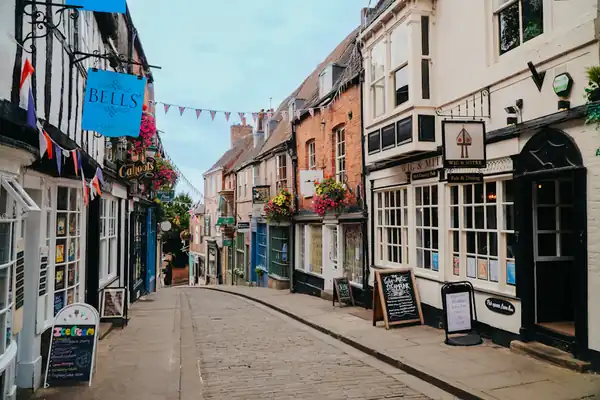
Commercial mortgages
Buy or refinance offices, shops, industrial units and mixed-use buildings, over terms of up to 25 years.
Request a callback about commercial mortgages -
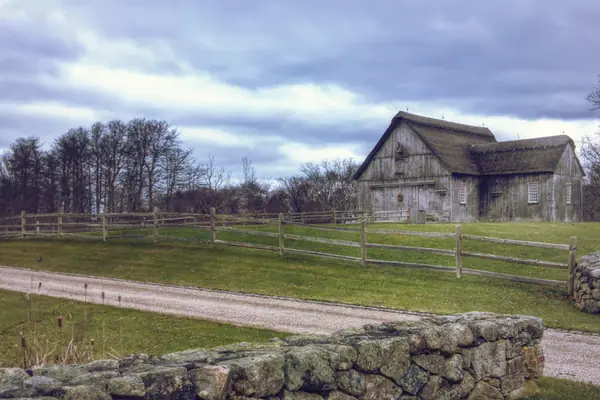
Bridging loans
Short-term finance, usually 3 to 18 months, to buy quickly, break a chain or raise funds before a sale or refinance.
Request a callback about bridging loans -
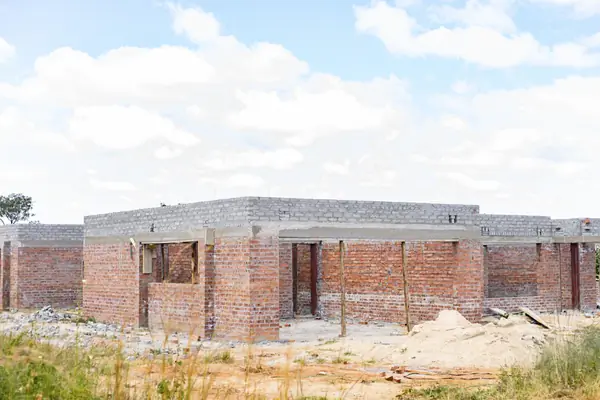
Development and refurbishment
Funding for new builds, conversions and refurbishments, released in stages as the work progresses.
Request a callback about development and refurbishment -
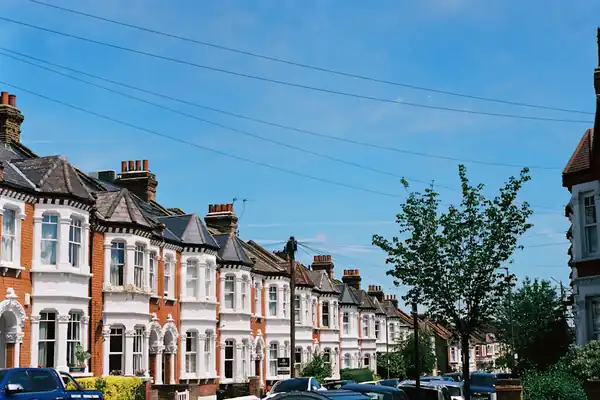
Auction finance
Fast funding to complete an auction purchase, usually due within 28 days of the hammer falling.
Request a callback about auction finance -
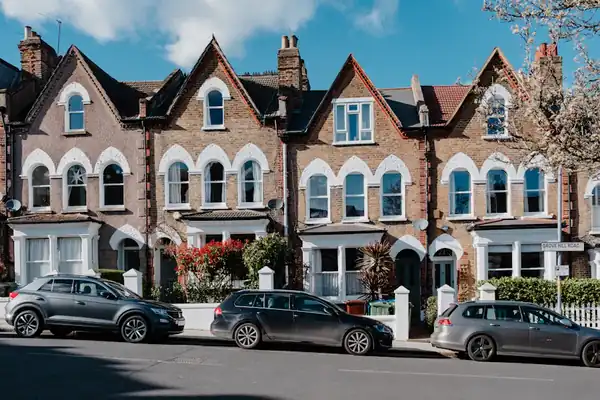
Buy-to-let for companies
Mortgages for limited companies and SPVs buying or refinancing rental homes, HMOs and portfolios.
Request a callback about buy-to-let for companies -
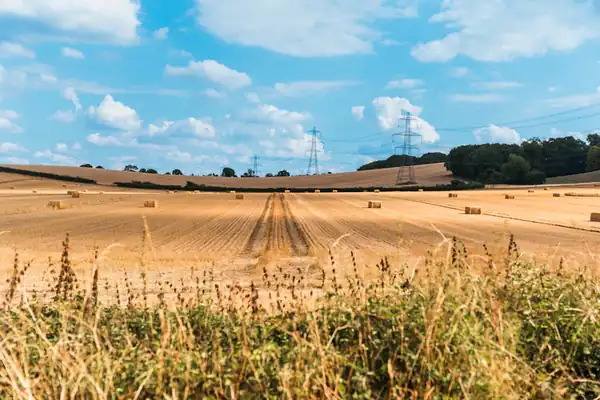
Farm, land and rural estates
Loans on farmland, rural estates and land with or without planning, on one title or several.
Request a callback about farm, land and rural estates -

Equestrian and rural business
Equestrian centres, holiday lets, farm diversification and land let for solar or battery storage.
Request a callback about equestrian and rural business -

Care home finance
Buy, refinance or extend elderly and children's care homes, secured on the property.
Request a callback about care home finance -
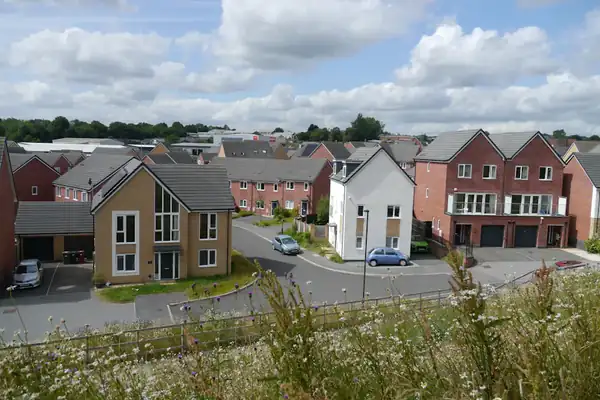
Social and supported housing
Finance for registered providers and investors buying or improving social and supported housing.
Request a callback about social and supported housing
Business finance
-
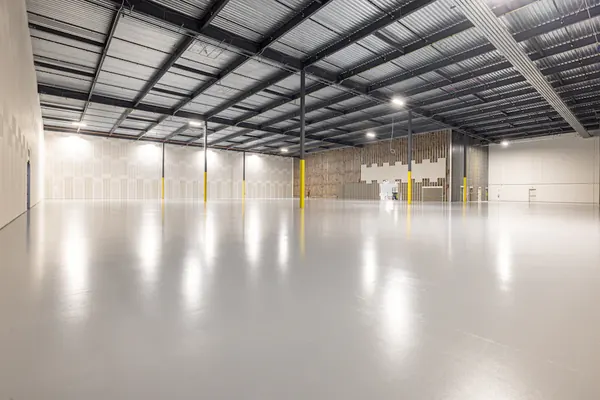
Secured business loans
A lump sum secured on property your business owns, for growth, cash flow, stock or repaying other debt.
Request a callback about secured business loans -

Corporate and acquisition finance
Structured loans to buy a business, fund a management buyout or refinance group borrowing.
Request a callback about corporate and acquisition finance -
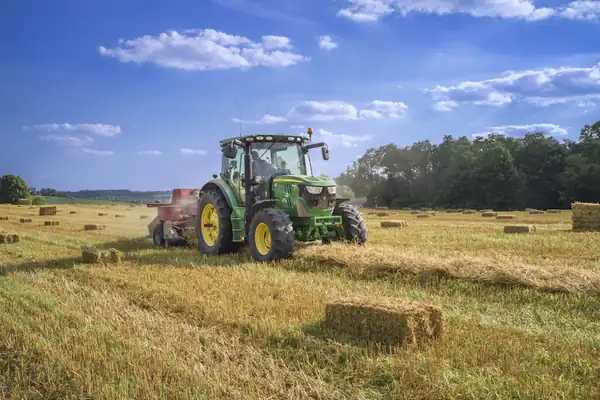
Machinery and asset finance
Spread the cost of tractors, plant, vehicles and equipment, with the asset as security.
Request a callback about machinery and asset finance
How much could you borrow?
Enter what the property or land is worth and what's already owed on it. We'll show a rough figure, worked out at up to 70% of the value, less existing loans.
An estimate only, not an offer of finance. The lender decides after a valuation and its own checks. We arrange loans from £26,000 to £2 million.
We introduce business loans secured on property, land and business assets from
£26,000 to £2 million
over 3 months to 25 years, at up to 70% of the property's value
Request a callbackYour property may be repossessed if you do not keep up repayments on a loan secured on it. A personal guarantee may make you personally liable.
What businesses borrow for
Property and land are often the largest assets a business owns. Borrowing against them can fund growth or meet a deadline without a rushed sale.
- Buy premises or investment property, including at auction, where completion is usually due within 28 days
- Raise capital for growth: stock, equipment, hiring or cash flow, secured on property the business owns
- Refinance or consolidate bank borrowing that's up for renewal or too expensive
- Fund development and refurbishment, from planning gain to conversions, holiday lets and diversification
- Pay tax bills or buy out shareholders, including inheritance tax after the April 2026 changes to agricultural and business property relief
How it works
One enquiry, one lender, and a named person to deal with from the first call to completion.
Request a callback
Tell us the basics in a minute. You don't need any documents yet.
Talk it through
A lending specialist calls within one working day to discuss the property, the loan and how you'll repay.
Terms in writing
If it's a fit, you get indicative terms in writing, with every fee shown before you commit.
Valuation and completion
An independent RICS valuer inspects, solicitors complete the legal work and the funds are released.
Ready to talk?
If your business needs finance secured on property, land or assets, leave your details and a lending specialist will call you back.
Request a callback
Add a few details about the property and the loan if you can. It helps the lender come back with an answer sooner.
Thank you. We'll call you back.
Your reference is .
A lending specialist from our lending partner will call you within one working day. It helps to have to hand the title numbers, details of any existing borrowing and how you plan to repay.
Preview only. Nothing was sent.
You'll speak to a lending specialist at our lending partner, a specialist lender on property, land and business assets, and deal directly with the team that assesses and approves your loan. Land agents, accountants and solicitors can introduce a client by emailing [email protected].
Frequently asked questions
If your question isn't here, ask it when the lending specialist calls you back.
What is a commercial mortgage?
A commercial mortgage is a long-term loan secured on business property, such as offices, shops, industrial units or mixed-use buildings. Terms usually run from 3 to 25 years. How much you can borrow depends on the property's value and the income or business that repays the loan.
What is a secured business loan?
It's a lump sum lent to your company and secured on property the business owns, with a first or second charge. Businesses use it for growth, cash flow, stock, tax bills or to repay other debt. Secured loans are often larger and cheaper than unsecured ones.
Can a limited company get a buy-to-let mortgage?
Yes. Many landlords hold rental property in a limited company or special purpose vehicle (SPV). Lenders look at the rent the property earns as well as the company and its directors, and directors are usually asked for personal guarantees.
What is development finance?
Development finance pays for building work, from new builds to conversions and heavy refurbishment. The lender usually funds part of the purchase and releases build costs in stages after a surveyor checks progress. The loan is repaid when the units are sold or refinanced.
Can I borrow against farmland or agricultural land?
Yes. Specialist lenders and some banks lend against agricultural land, farm buildings and rural estates, either as short-term bridging finance or as longer-term loans. How much you can borrow depends on the property's value and type, what the money is for, and how the loan will be repaid.
How much can I borrow against my land?
Lenders lend a percentage of the property's market value, called the loan-to-value (LTV), and set their own limits for each type of property. Bare land, and especially land without planning permission, usually supports a lower LTV than land with planning consent or income-producing commercial property. The lender's independent valuation decides the final figure.
What is the difference between a bridging loan and a term loan?
A bridging loan is short-term finance, usually lasting from a few months to around two years. It is repaid in one go from an exit, such as a sale or a refinance, and interest is often rolled up or retained rather than paid monthly. A term loan runs for several years and is normally repaid in regular instalments from business income.
Can I get a bridging loan on land without planning permission?
Some lenders will lend on land without planning permission, usually at a lower loan-to-value than for land with consent. They will focus on how you plan to repay the loan, for example by selling the land, obtaining planning and refinancing, or using other funds.
Can I borrow against land to pay an inheritance tax bill?
Often, yes. Inheritance Tax is due by the end of the sixth month after the person died, and executors usually need to pay some of it before they can get probate. Borrowing secured on land or other property can provide those funds. Lenders differ on what security they will accept before probate is granted, so take tax and legal advice on the best approach.
What changed for farm inheritance tax in April 2026?
From 6 April 2026, 100% agricultural and business property relief applies to the first £2.5 million of combined qualifying property in an estate, and relief of 50% applies above that. Any unused allowance can be transferred to a surviving spouse or civil partner. For qualifying assets inherited from that date, the tax can be paid in interest-free annual instalments over 10 years. This is general information, not tax advice.
Who can apply?
UK limited companies, LLPs and other bodies corporate, including a company set up to buy the land, borrowing wholly for business purposes and secured on property in England and Wales. We can't currently help individuals, sole traders, partnerships or trusts with individual trustees. Lenders will look at who owns the land, the company's track record and the purpose of the loan.
Who is the lender?
A specialist lender on property, land and business assets. We introduce every enquiry to this one lender, not to a panel. At its request we don't name it on this website. It introduces itself when it calls you, before you share any documents, and you can ask us for its name at any time.
Are these loans regulated by the FCA?
Loans to companies and LLPs for business purposes are not regulated by the Financial Conduct Authority, so consumer credit and mortgage protections don't apply. A loan to an individual or trustees secured on land can be a regulated mortgage contract if at least 40% of the land is used as a home. This service is only for companies, LLPs and other bodies corporate, and not for borrowing secured mainly on a home.
How long does it take to arrange?
It depends mainly on the valuation and the legal work. Bridging finance is designed to be quicker than a traditional bank loan or agricultural mortgage. Farms and estates can take longer if there are several land titles, unregistered land, tenancies, rights of way or overage agreements to check.
What fees are involved?
Typical costs include interest, a lender arrangement fee, a valuation fee and legal fees, both yours and the lender's. Some loans also have an exit fee. The lender sets out every cost in writing before you commit. You pay us nothing; the lender may pay us a fee if a loan completes.
Is my land at risk if I cannot repay?
Yes. These loans are secured on your property. If you do not keep up repayments, or cannot repay a bridging loan at the end of its term, the lender can take steps to recover the debt, which may include selling the property used as security.
Important information
We introduce; we don't lend or advise
We pass every suitable enquiry to one specialist lender, our lending partner. We don't work with a panel of lenders or search the market, and we don't act as your adviser or agent. At the lender's request we don't name it on this website: it introduces itself when it contacts you, and you can ask us for its name at any time. [Connection statement: any personal or business link with the lender.]
Business borrowers only
UK companies, LLPs and other bodies corporate, borrowing wholly for business purposes, for loans from £26,000 to £2 million, secured on property, land or business assets in England and Wales. Not for individuals, sole traders, partnerships, trusts with individual trustees, or borrowing secured mainly on a home.
How we're paid
The service is free and you pay us nothing. If a loan completes, the lender may pay us [up to X% of the loan / a fixed fee of £X]. The lender will confirm this in writing before you commit, and we'll tell you the amount if you ask.
No guarantee of finance
Any loan is subject to the lender's assessment, valuation, due diligence and terms. Personal guarantees or extra security may be needed. Figures on this page are indicative.
Not FCA-regulated
We are not authorised by the Financial Conduct Authority, and business loans to companies are not regulated, so consumer credit and mortgage protections don't apply.
Your property is at risk
Your property may be repossessed if you do not keep up repayments on a loan secured on it. If you give a personal guarantee, you may be personally liable for the business's debt. Take independent legal and financial advice.